
A power inverter is a crucial device where the electricity is transformed from one form to another. A Power Inverter is the device that allows electrical appliances to be used when power is unavailable for use in many homes, offices, vehicles and solar power systems. It can be useful if there’s no electricity or if you’re in an area that doesn’t have access to electricity.
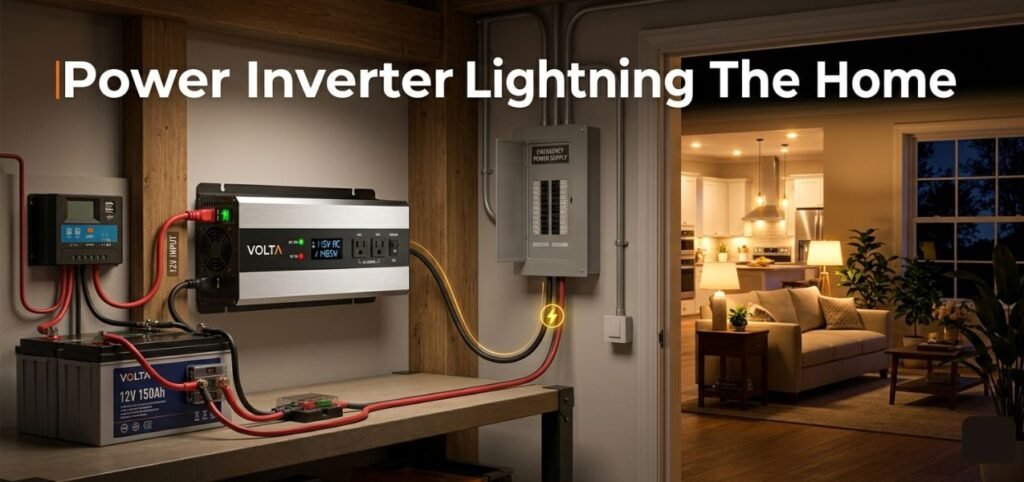
Put simply, a Power Inverter is a device that converts direct current (DC) to alternating current (AC). Household appliances require AC power to operate, but most batteries deliver power in the DC form. Through this conversion, the use of regular electrical devices, with batteries or solar energy systems, is made possible for people.
What Is a Power Inverter?
A power inverter is a device that is used to convert direct current (DC) energy into alternating current (AC) energy. DC power is generated by batteries, solar panels and some vehicles. Many other appliances, however, need AC power, such as televisions, fans, refrigerators and computers.
A Power Inverter’s role is to serve as the gap-filler. It converts the energy stored in a battery into a safe and efficient form that the home appliances can use safely and efficiently.
How Does a Power Inverter Work?
A Power Inverter works in a relatively simple fashion. Supply DC power from battery or solar power system. The electronic circuits switch the current rapidly inside the inverter to produce an AC output.
Modern power inverters are built with the latest technology that allows for a smooth and stable power supply. This can help keep connected appliances and ensure they work as they should.
The basic steps include:
- Receiving DC power from a battery.
- Converting the DC power into AC power.
- Delivering the AC power to connected devices.
This process happens very quickly and continuously while the inverter is running.
Types of Power Inverter
There are different types of Power Inverter devices available in the market. Each type is designed for specific applications.
- Square Wave Inverter: A square wave power inverter is one of the simplest types. It is affordable but less efficient. Some sensitive electronics may not work properly with this inverter.
- Modified Sine Wave Inverter: A modified sine wave Power Inverter is more common. It provides better performance than a square wave inverter and can operate many household appliances.
- Pure Sine Wave Inverter: A pure sine wave Power Inverter produces electricity similar to the power supplied by utility companies. It is the best option for sensitive electronics such as computers, medical equipment, and modern appliances.
Benefits of Using a Power Inverter
There are many advantages of using a power inverter.
- Backup Power During Outages: A power inverter provides electricity during power failures. This helps keep important appliances running.
- Supports Solar Energy Systems: Many solar systems use a power-inverter to convert solar-generated DC electricity into AC electricity for household use.
- Portable Power Solution: Inverters can be used in vehicles, RVs, boats, and camping setups. This makes them ideal for outdoor activities.
- Energy Efficiency: Modern inverter technology is designed to reduce energy loss during power conversion, making it more efficient.
- Protects Appliances: High-quality inverters provide stable voltage and power, helping to protect electronic devices from damage.
Common Uses of a Power Inverter
A power-inverter is used in many situations.
- Home backup systems
- Solar power installations
- Cars and trucks
- Recreational vehicles (RVs)
- Boats and marine applications
- Emergency power systems
- Small businesses and offices
These applications show how versatile a power inverter can be.
- Choosing the Right Power-Inverter: Selecting the right power-inverter depends on your power needs.
- Determine Power Requirements: Calculate the total wattage of the appliances you want to run. Choose an inverter with enough capacity to handle the load.
- Consider the Wave Type: For sensitive electronics, a pure sine wave power-inverter is usually the best choice.
- Check Battery Compatibility: Make sure the inverter matches the voltage of your battery system.
- Look for Safety Features: A good power-inverter should include protection against overheating, overloading, short circuits, and low battery voltage.
- Consider Efficiency: Higher efficiency means less energy loss and longer battery life.
Maintenance Tips for a Power Inverter
Proper maintenance can increase the lifespan of a power-inverter.
- Keep the inverter clean and dust-free.
- Ensure proper ventilation around the unit.
- Regularly inspect battery connections.
- Avoid overloading the inverter.
- Follow the manufacturer’s maintenance guidelines.
These simple steps help ensure reliable performance.
Future of Power Inverter Technology
The demand for power-inverter technology is increasing as renewable energy becomes more popular. New inverter designs are evolving into smarter, more efficient and easier-to-monitor with mobile applications and smart home systems.
The power-inverter is becoming more vital in daily life due to the rising significance of solar energy systems, electric vehicles, and energy storage solutions. There is potential for development to increase the efficiency, reliability, and overall performance of the system in the future.
Conclusion
A power-inverter is a useful product to help convert DC electricity into AC electricity so that batteries and solar systems are able to power up normal appliances. A power inverter can be used for a variety of applications, including home backup, solar power, vehicles, and outdoor activities, providing convenience, reliability, and flexibility. Users can get a stable and efficient power supply when they need it by selecting the appropriate inverter and ensuring that it is properly maintained.